Keeping is a practice
Keeping an object is rarely one decision. It is a small agreement renewed each time we clean it, repair it, move it, or choose it again. The objects that stay with us do not always announce their value. More often, they settle into the background and make ordinary work easier.
A quiet object earns trust through repetition. Its handle is where the hand expects it to be. Its weight helps rather than interrupts. When something changes, the object gives enough information for a person to understand what happened and decide what to do next.

Made legible through use
The most useful forms do not ask for attention every day. They become legible through use: a softened edge, a familiar weight, a surface that records the work around it. These marks are not automatically damage. They are information about contact, pressure, movement, and time.
- 14 years
- in daily use
- 2
- replaceable parts
- 1
- visible repair
Good maintenance begins by reading that information before erasing it. A polished patch can tell the next owner where a joint loosened. A changed fastener can make future disassembly obvious. Design for longevity is partly the work of leaving useful evidence behind.
Repair belongs in the first drawing
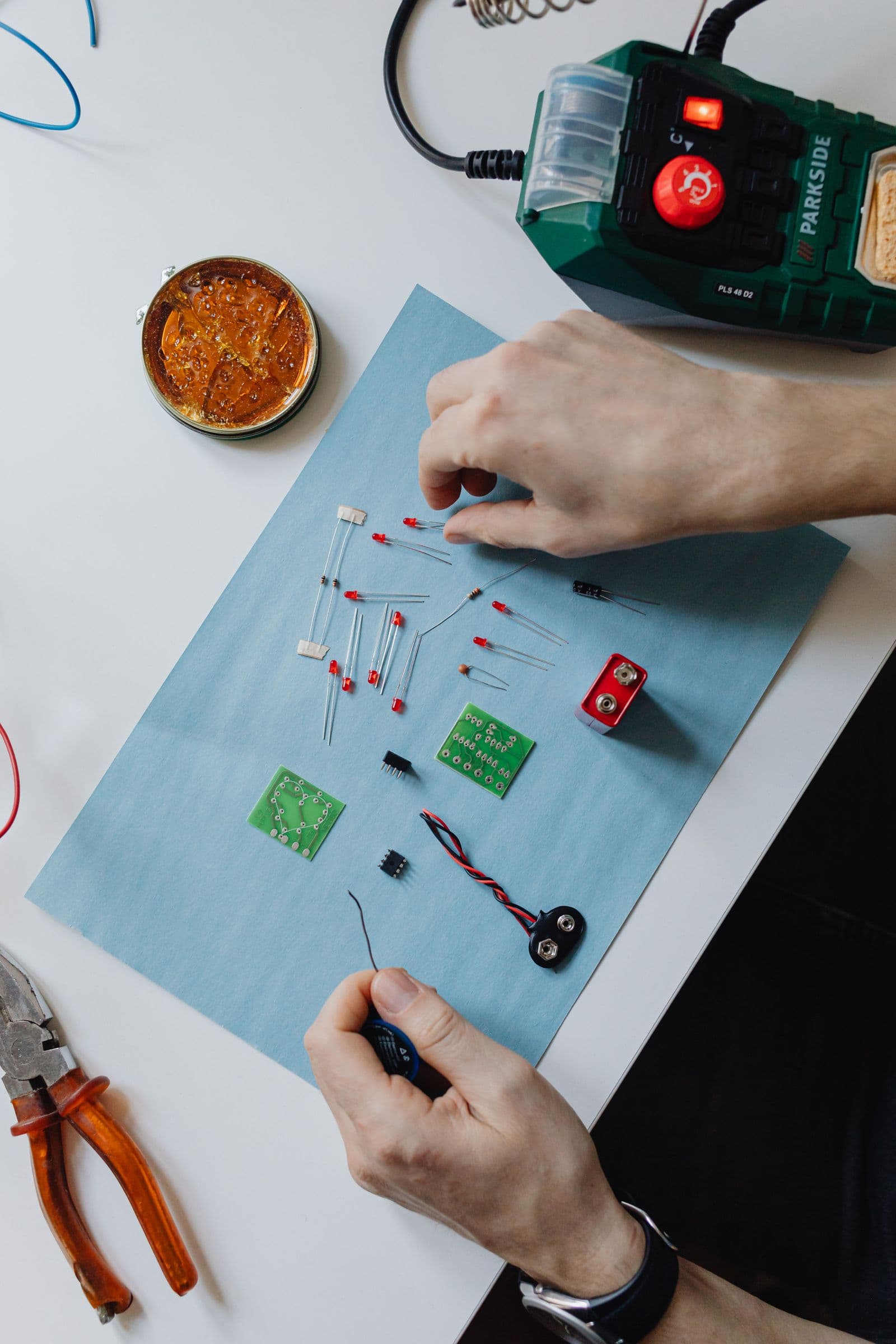
Repairability is often treated as a service added after an object fails. It is more useful to treat it as an early design constraint. Can the stressed piece be reached? Can a common tool release it? Can someone identify the material without a specialist database? Each answer changes the form before production begins.
Maintenance is part of the object, not an admission that it failed.
Field Office notebook, study 18
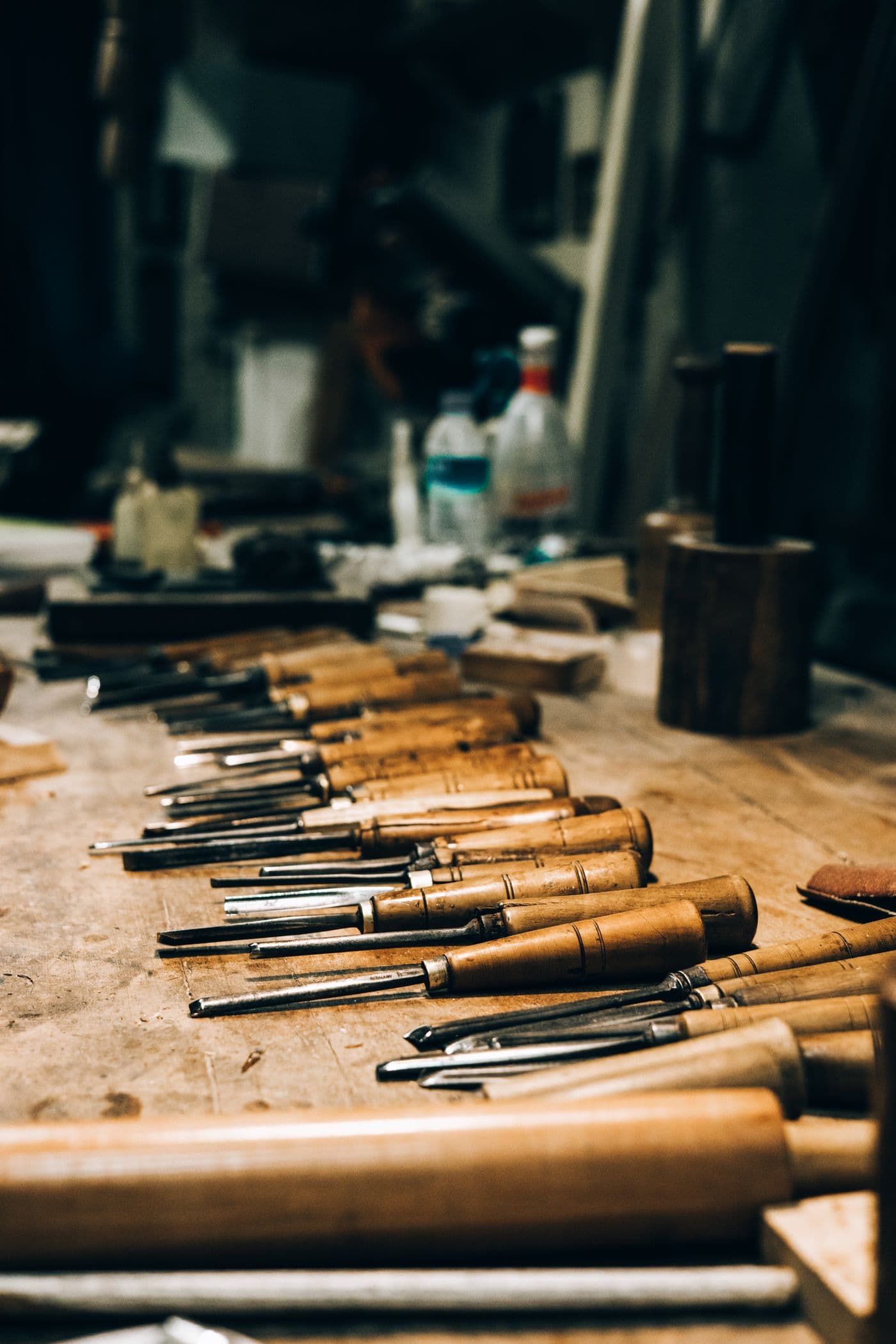
This does not mean every seam must become visible or every object must look mechanical. It means the designer has considered the second, fifth, and twentieth encounter—not only the photograph taken on release day. A lasting object is allowed to have a future tense.
A small test for what stays
Before replacing a useful thing, pause long enough to separate inconvenience from failure. A loose joint, worn finish, or missing foot may be a bounded problem. The decision becomes clearer when the object can explain how it is made and when parts are available without destroying the whole.
Four questions before replacement
- Can the problem be named precisely?
- Can the affected part be reached without damage?
- Is a repair likely to extend useful life meaningfully?
- Will the repair make the next intervention easier?