Drafts within reach
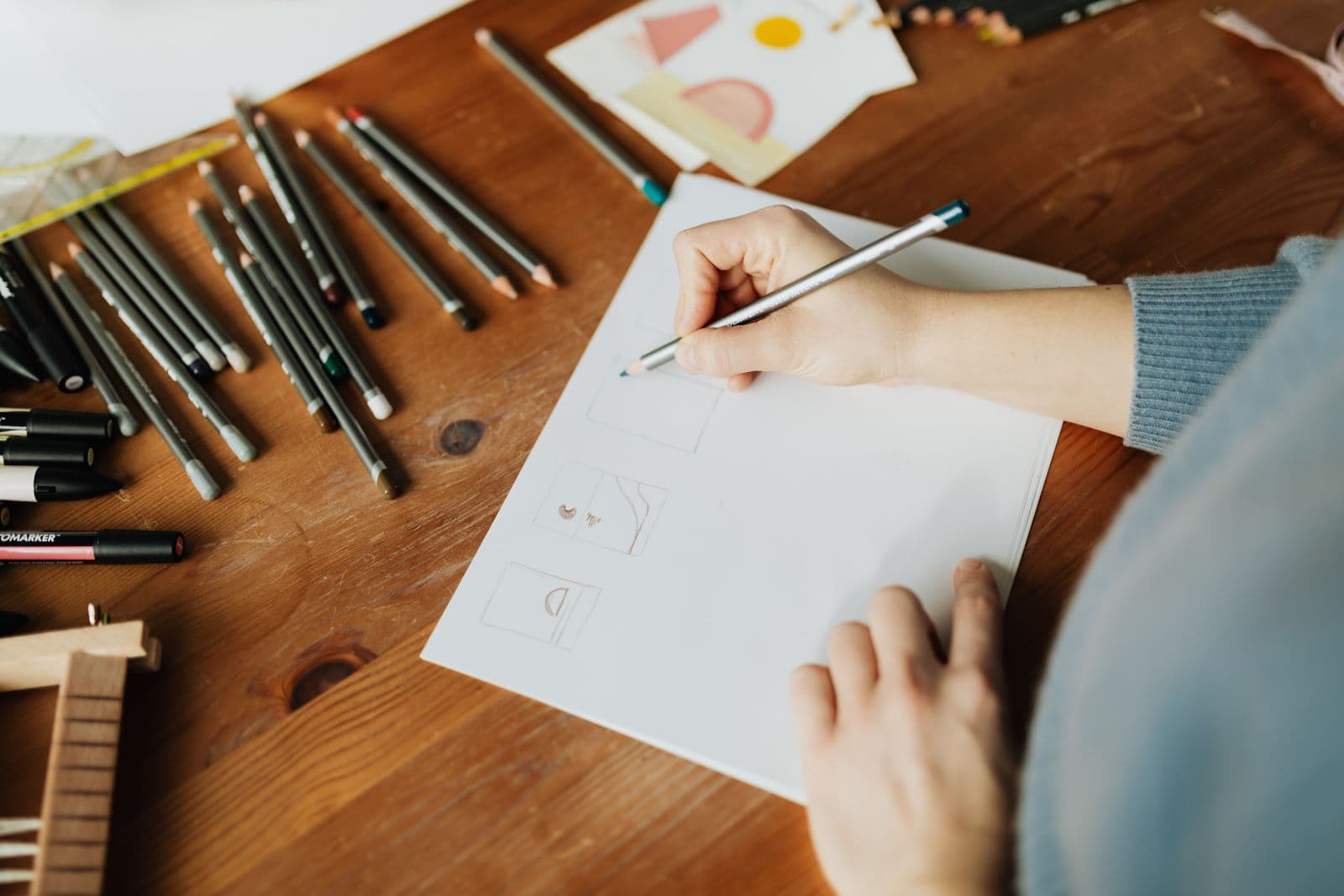
Amara Chen keeps unfinished models within reach—not as reminders of failure, but as evidence that an answer can remain provisional. On one shelf, folded paper studies sit beside carved foam handles and a row of small hinges. Nothing is arranged chronologically.
The studio is organized by questions: ways of joining, ways of carrying, ways a surface might fold. A model can wait for months and then become useful when a different project asks the same question. Keeping drafts visible allows ideas to meet across time.
Make room for uncertainty
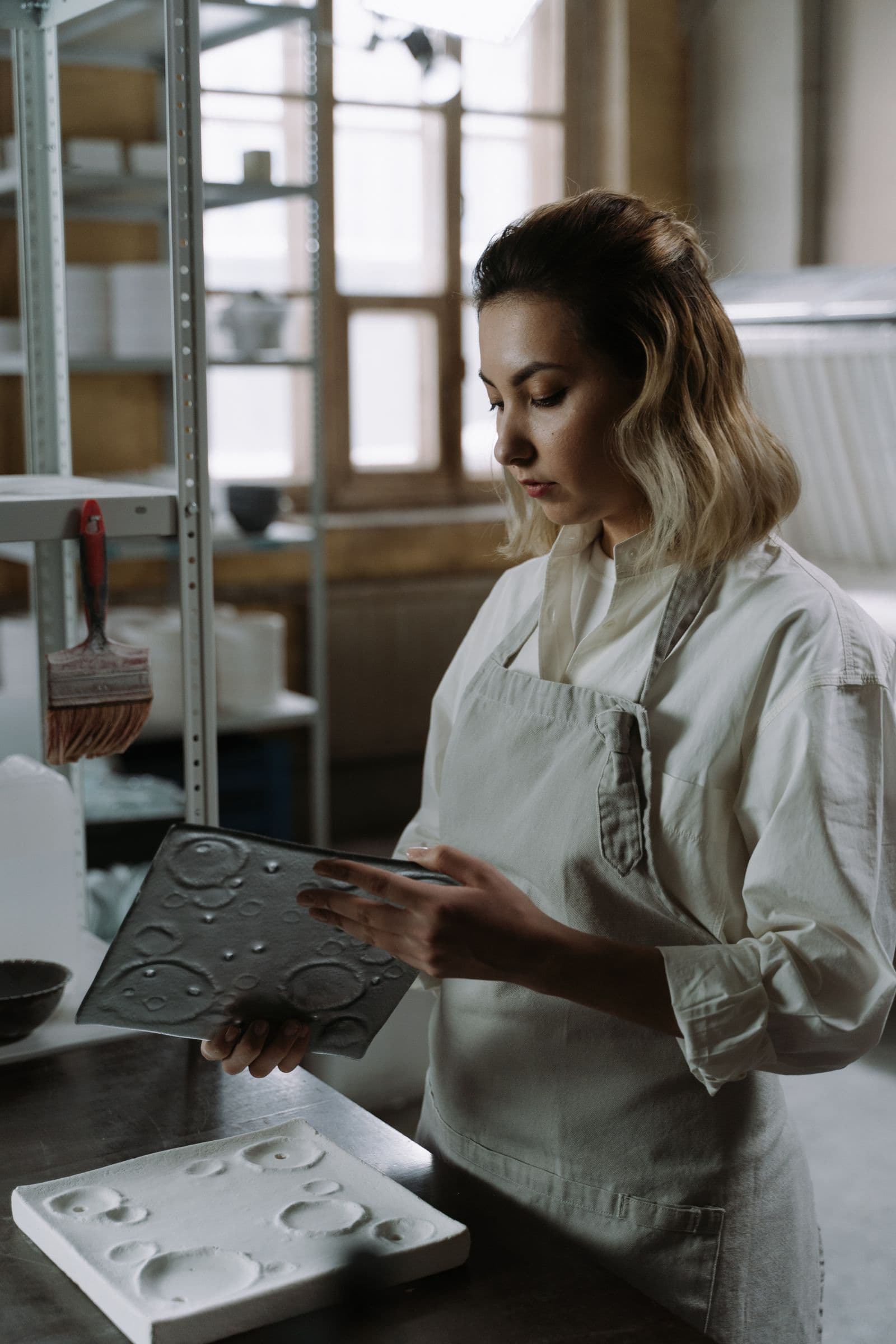
A polished model can close a conversation too early. People begin judging finish, color, and market readiness when the important question is still whether the object should exist. Chen uses deliberately incomplete materials at the start so the room can stay focused on proportion, gesture, and use.
- 43
- active fragments
- 9
- questions in view
- 3
- materials used for first drafts
Uncertainty becomes manageable when it is made specific. Instead of asking whether a draft is good, the studio asks whether the grip invites the right movement, whether the scale suits the room, or whether another object already answers the need more responsibly.
Editing is a form of care
Keeping every draft forever would turn the studio into storage. Once a month, the team places uncertain work on a long table and decides what should remain active, what belongs in the archive, and what can be dismantled so its material returns to use.
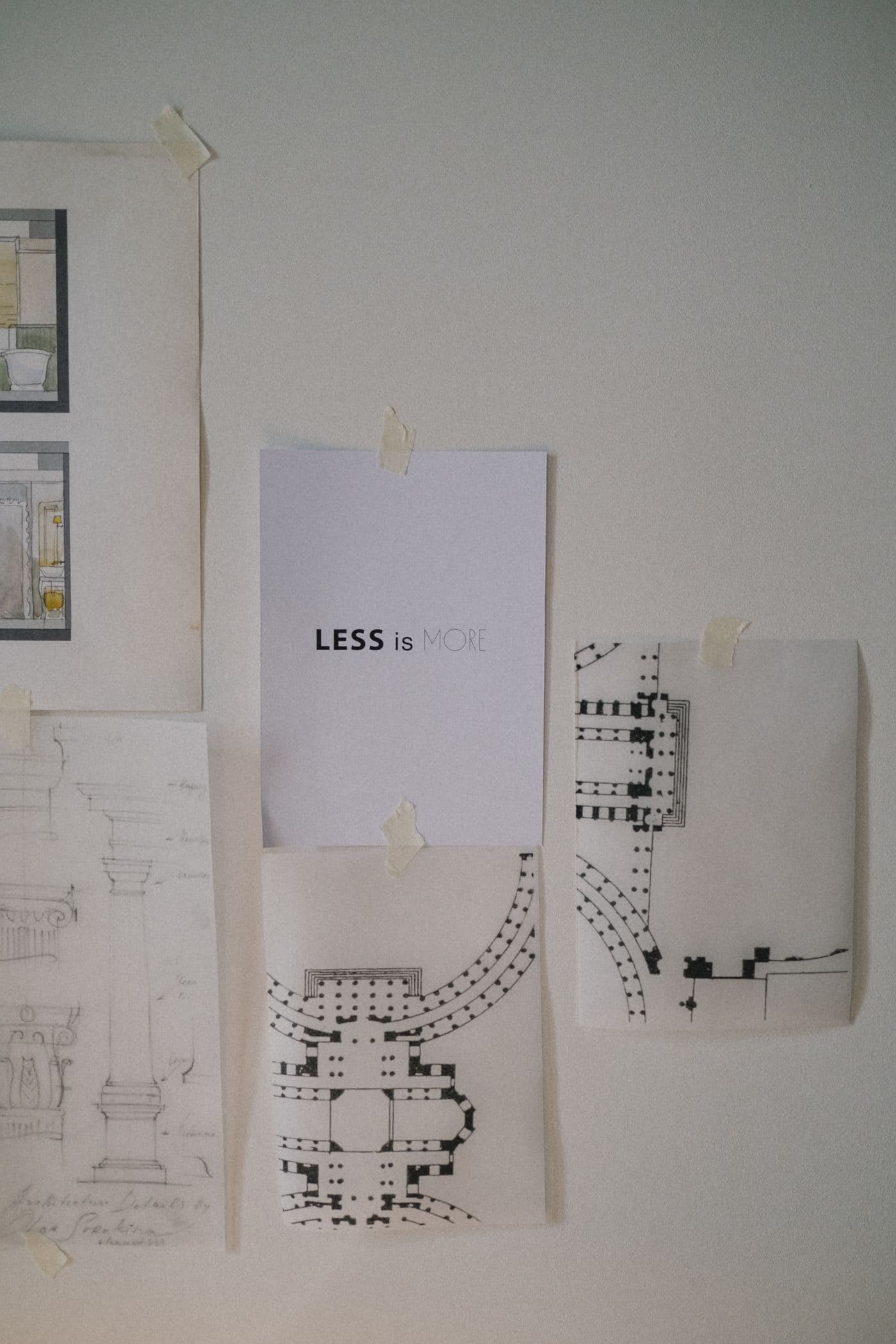
A draft does not need to become a product to have completed its work.
Amara Chen
Three useful endings
- Continue: the question is still alive and the next test is clear.
- Archive: the lesson matters, even if the form does not continue.
- Dismantle: record what was learned and return the material to circulation.
When unfinished work is finished
Some models are complete because they ruled out a direction. Others reveal a proportion that reappears years later. Completion, in this practice, describes the usefulness of what was learned rather than the readiness of an object for sale.
This shifts the emotional weight of the archive. The shelves are not crowded with abandoned ambitions. They hold decisions made visible: where an idea changed, why a material was refused, and which questions deserve another encounter.